
Our Southeast Cities
Sitka and Petersburg. A week in each has reacquainted us with these two gems in Southeast, as Alaskans call their panhandle. Both enjoy Tlingit culture, huge fishing fleets, and miles of docks along which you can stroll and talk to fishermen. But they’re quite different.
Sitka looms large in American History as the capital of Russian Alaska and the place where Alaska was transferred to the United States in 1867. Sitka’s multilayered past comes alive as you visit the National Historical Park with its totem poles, Castle Hill, St Michael’s Cathedral, the Bishop’s House, and the Sheldon-Jackson and city museums and attend performances of the Naa Kahidi Tlingit dance troupe, the New Archangel Russian dancers, and summer chamber music festival. For natural history, there’s the Alaska Raptor Center, a bear rescue operation, and the extraordinary Sitka Sound Science Center, to which the locals attribute their children’s documented high levels of science literacy. Everyone should spend a week in Sitka.
For me, Petersburg stands out as a bright story of immigration to America. It was founded by Peter Bachmann who arrived from Norway in 1897. He chose the site because of proximity of fresh ice from the nearby Le Conte glacier. In time recruited hundreds of his impoverished countrymen, who built houses on pylons and great wharfs with canneries over the waters of Wrangell Narrows.
Okay, you say, Norwegians settled many places in the Pacific Northwest; so where’s the story? Well, Alaska produces about 60% of all US seafood and Petersburg a good portion of that. The old canneries now house modern fish processing operations to which the catch is delivered 24/7 during the summer. People walking down Nordic Drive speak Tagalog, Spanish, Haitian Creole, Slavic Languages, and varieties of Englishes (that for Number 45, with his preference for Norwegian immigrants, mark them as potential terrorists from “shithole countries”). More than any agricultural community in the Central Valley, Petersburg hammers home the reality that workers like these, who willingly leave home to follow the harvests, are the heroes of our national food system. They are responsible for the food security we currently enjoy.
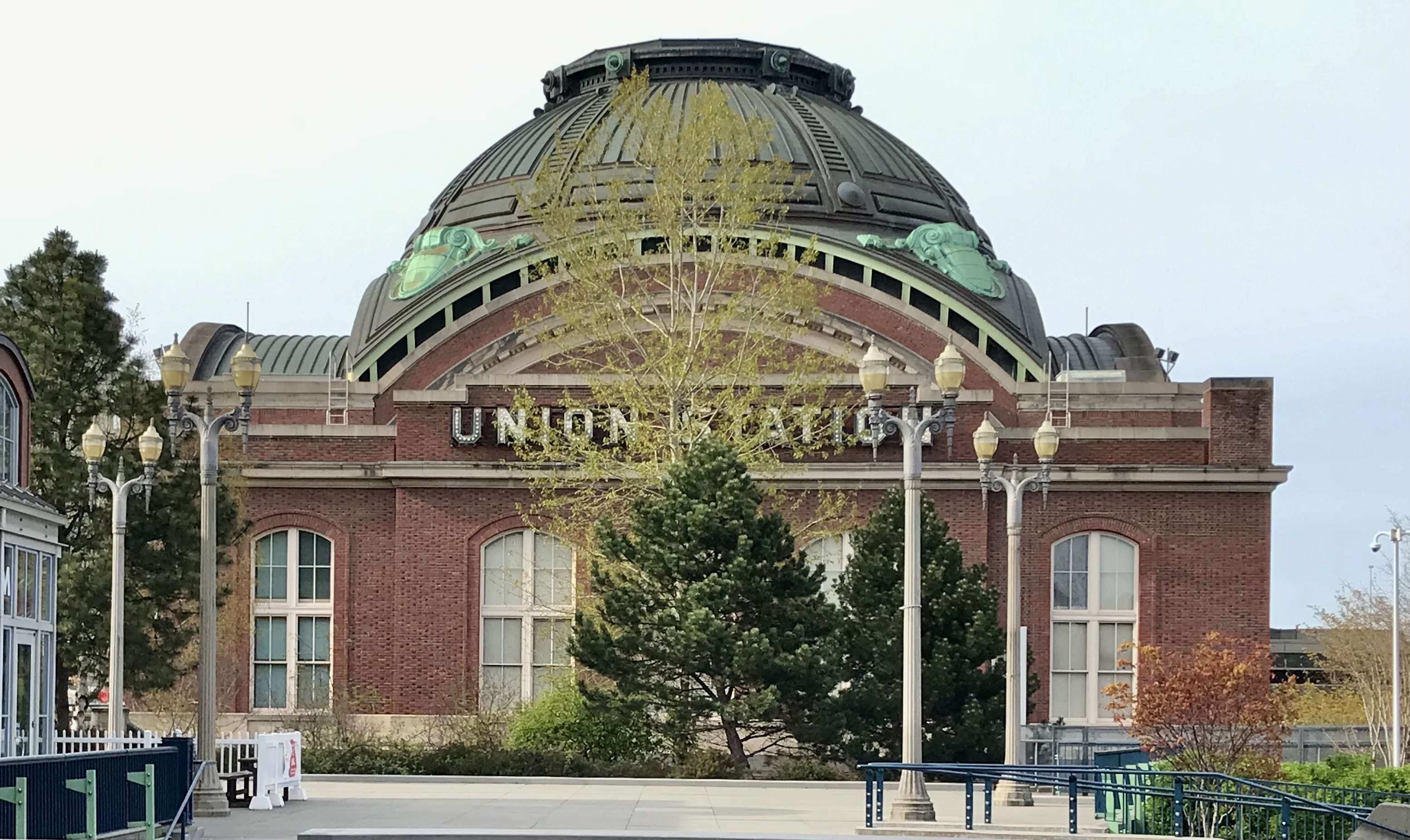
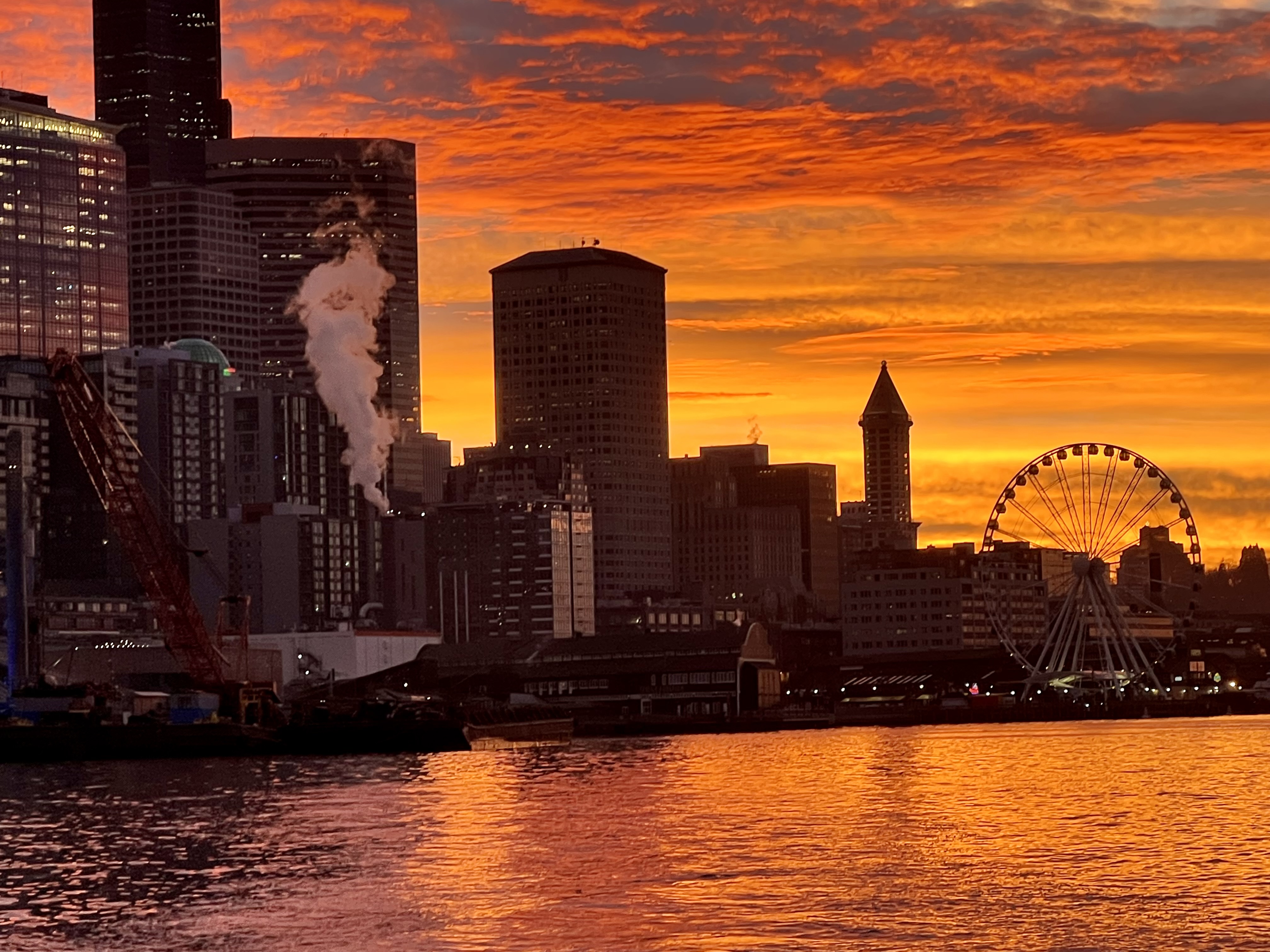
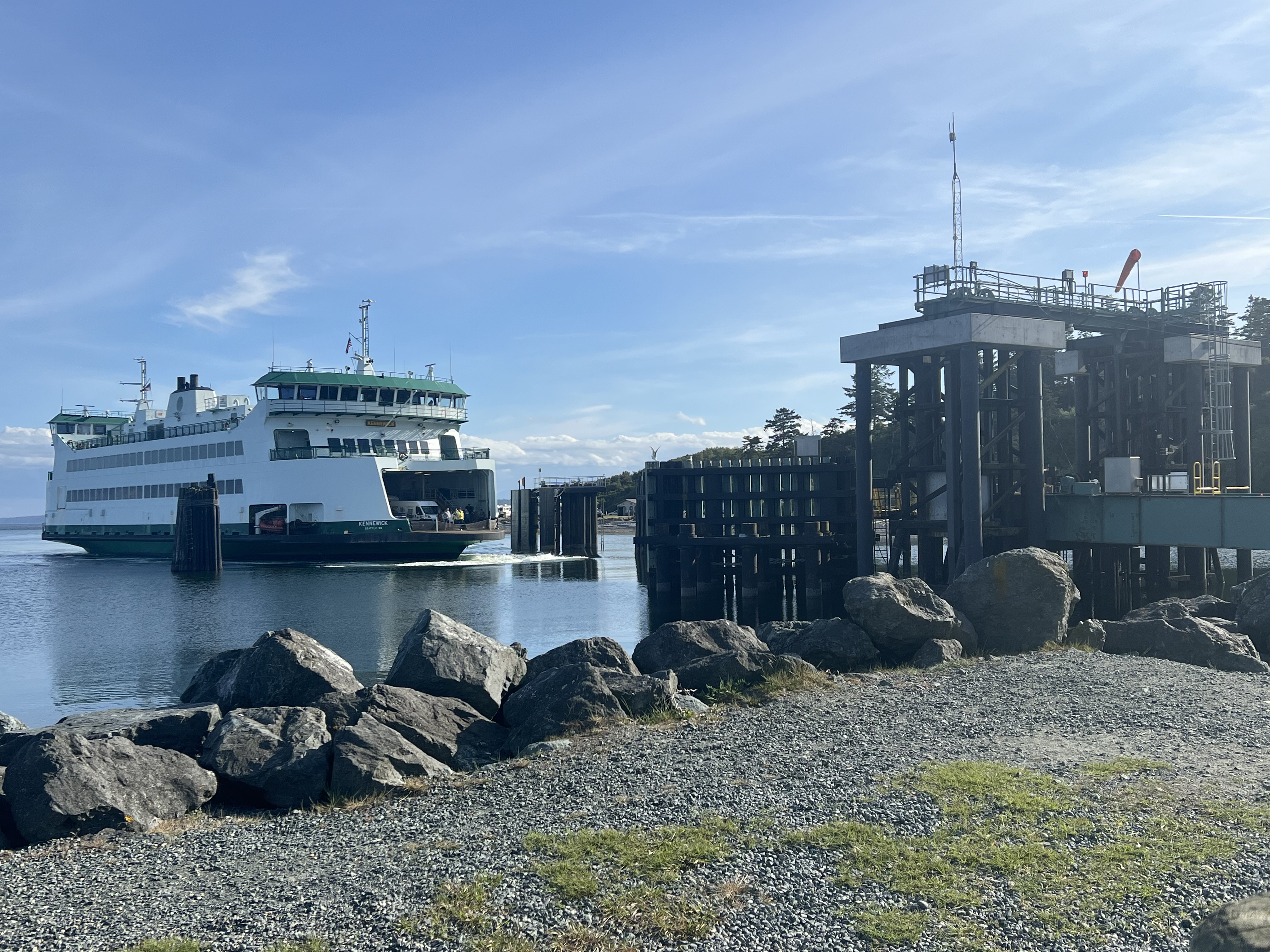
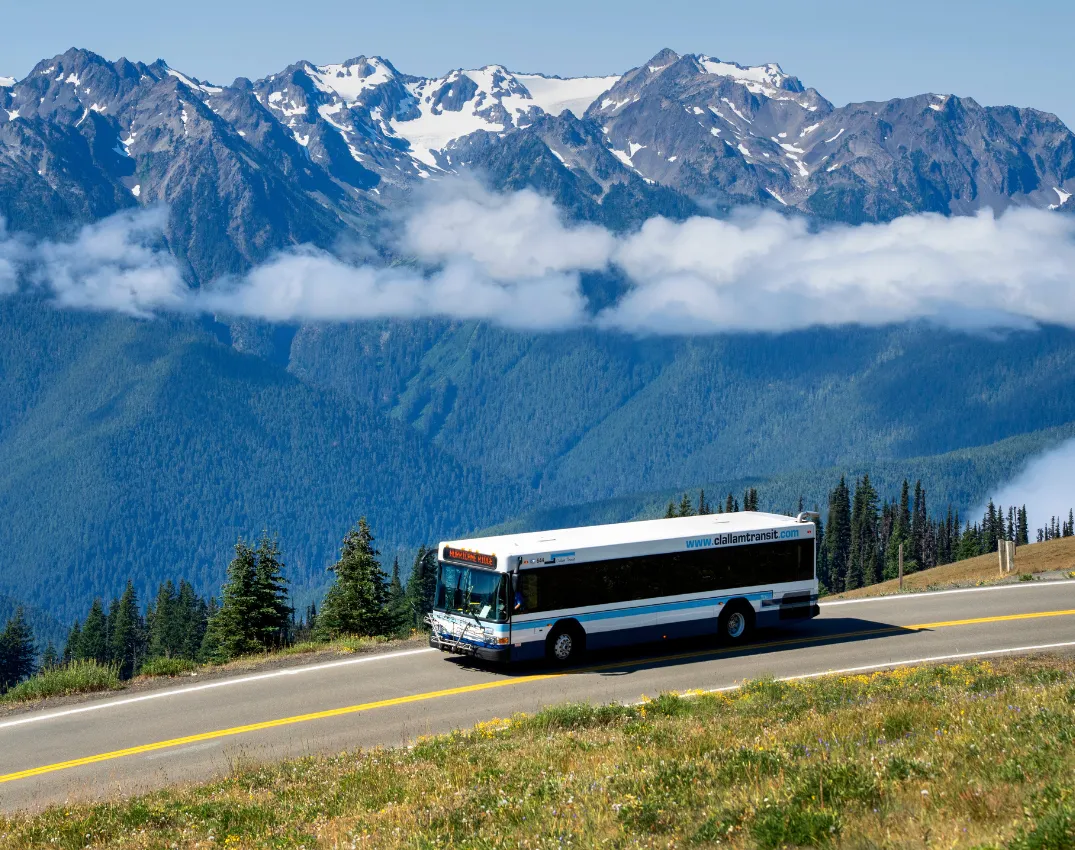
I talk about Sitka here; let me just share some photos of Petersburg this week.



Leave a Reply